Documents and details to have ready for mobile key service
Why being prepared matters when you need a new key
Modern cars do not simply accept a cut piece of metal. The key or fob contains a small transponder chip that must talk to the car's immobiliser system. When that chip is lost, broken, or stops working, getting a replacement involves programming the new unit to match the vehicle. A locksmith who arrives at your location can handle this, but only if you can provide certain information on the spot. Having the right details ready saves time and avoids a second trip.
Proof of ownership
The single most important item is proof that you own the vehicle. A locksmith will not program a key for a car they cannot confirm belongs to you. The most straightforward document is the vehicle title or registration certificate. If the car is financed or leased, a current registration document along with your photo ID usually works. Some locksmiths may accept an insurance card that lists you as the named insured, but policies vary. Without this, you may be turned away even if you are standing next to the car with the keys in the ignition.
Vehicle identification number - VIN
The VIN is the car's unique serial number, typically 17 characters long. It tells the locksmith the exact make, model, year, and engine type, which determines which key blank and programming procedure to use. You can find the VIN on a small plate visible through the windshield on the driver's side, on the door jamb sticker, or on your insurance card and registration. Having it written down or readable from outside the car speeds things up. If the locksmith has to guess or look it up, it adds time and risk of error.
Existing keys or fobs
Even a broken key or a fob with a dead battery can help. A locksmith can sometimes read the code from a damaged transponder chip or use an existing working key to clone a replacement. If you have lost all keys, the locksmith will need to access the car's diagnostic port and use specialised equipment to program a new key from scratch. That process is more involved and requires the VIN and proof of ownership. For many modern vehicles, having at least one working key cuts the programming time in half.
Key code or lock information
Some vehicles have a key code stamped on a metal tag that came with the original keys. This code tells a locksmith the exact bitting - the pattern of cuts - needed to cut a mechanical key that will turn the ignition and door locks. If you have that tag, keep it with the vehicle documents. Without it, the locksmith can still cut a key by decoding the lock cylinders or by using the VIN to look up the code, but that adds time. If the car is older and uses a separate key for the doors and ignition, having both codes is even better.
Beyond these basics, a few other details can help. Knowing whether your car uses a push-to-start system or a traditional ignition switch changes the equipment the locksmith brings. Some vehicles require the locksmith to have access to the car's interior to reach the OBD-II diagnostic port, so making sure the car is unlocked or that you can open the door without damaging the weatherstripping matters. If you are locked out and need assistance with lost vehicle keys, the locksmith will still need your VIN and proof of ownership before they can cut and program a new key on site.
What to have ready before you call
It is easy to scramble for paperwork when you are standing outside a locked car. A small envelope kept in the glove box or at home with these items can prevent frustration:
- A copy of the vehicle registration or title
- A photo ID that matches the name on the registration
- The VIN written clearly
- Any key code tags or spare keys
- Your insurance card with the vehicle listed
If you have lost everything and cannot produce any of these, the locksmith may still be able to help, but expect a longer process and the need for additional verification. Some vehicles allow programming through the manufacturer's online system, which requires the locksmith to have the owner present with a valid ID and registration. In cases where the vehicle is a recent model with advanced security, the locksmith may need to contact the dealer or a third-party service to obtain a programming code. That step can take hours or even a day.
Common pitfalls when requesting key programming
One frequent mistake is assuming that a locksmith can program a key for any car just by looking at the ignition. Many modern vehicles use rolling codes or encrypted communication between the key and the immobiliser. The locksmith must have the correct software and hardware for that specific brand and model. If you cannot provide the VIN ahead of time, the locksmith may arrive with the wrong equipment. Another issue is that some cars, especially luxury models from the last few years, require the presence of two existing keys to add a third. If you have only one key and want a spare, the locksmith may need to use a different procedure that costs more and takes longer. Always ask what information the locksmith needs when you call.
How proof of ownership protects you
The requirement for proof of ownership is not just bureaucracy. It prevents someone from having a key programmed for a car they do not own. Car theft has become more sophisticated, and thieves sometimes target vehicles by requesting key programming from mobile locksmiths. By requiring documents and matching ID, the locksmith ensures they are helping the legitimate owner. If you are buying a used car, ask the seller for a spare key and the key code tag if available. If the seller cannot provide a spare, factor in the cost of having a locksmith program a new key after you take ownership. You will still need to show your registration and ID at that point.
Electronic versus mechanical keys
Not all key programming is the same. A traditional metal key with a transponder chip requires the locksmith to cut the blade to match the lock cylinders and then program the chip to communicate with the immobiliser. A key fob with remote locking buttons adds another layer: the locksmith must program the fob's radio frequency to operate the door locks and trunk release. Push-to-start systems use a fob that the car detects when it is inside the cabin. Each type requires different equipment and sometimes different codes. A locksmith who specialises in automotive work will have the tools for all of these, but knowing which type your car uses helps them prepare.
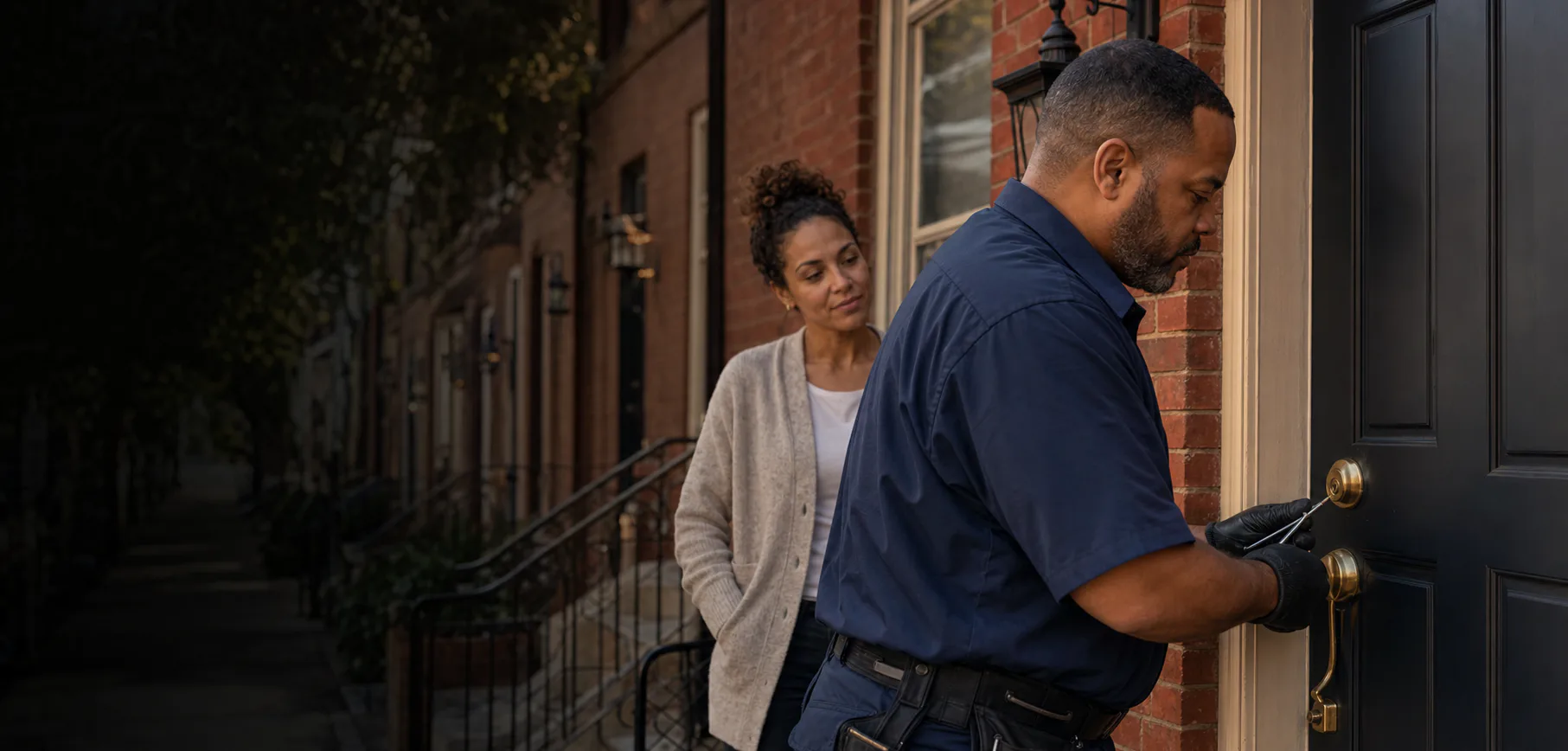
If you find yourself locked out with no spare and no paperwork handy, a locksmith can still help, but the process will be slower. They may need to unlock the car first using non-destructive methods, then access the OBD-II port to read the vehicle's computer and program a new key. That is why keeping a copy of the VIN and registration in a secure place - not inside the car - is wise. For those times when you need assistance with lost vehicle keys, having those details ready can turn a stressful situation into a straightforward service call.
Preparing for the future
Once you have a new key programmed, consider having a spare made while the locksmith is still there. It costs less to program a second key at the same visit than to call them back later. Store the spare somewhere safe but accessible, not in the car. Update the information in your phone or wallet so you can quickly provide the VIN and proof of ownership if the need arises again. A little preparation now saves time, money, and worry later.